

Haben Sie schon vor dem vollständigen Steifwerden subtile Veränderungen Ihrer Erektionsqualität bemerkt? Frühe Anzeichen einer nachlassenden Erektionsfunktion zeigen sich oft lange, bevor eine Erektionsstörung offensichtlich wird – und man übersieht sie leicht, wenn man nicht auf die richtigen Signale achtet.
Erektionen spiegeln Ihre Herz-Kreislauf-Gesundheit, das Gleichgewicht des Nervensystems, den Hormonstatus und das Gefühl von Sicherheit wider, das Entspannung und Erregung ermöglicht. Wenn sich etwas verändert, meldet sich der Körper früh – oft leise, aber ehrlich.
Wer diese frühen Signale versteht, ist im Vorteil. Statt erst zu reagieren, wenn ein Problem voll ausgeprägt ist, können Sie handeln, solange Ihr System noch sehr anpassungsfähig ist.
Warum Veränderungen der Erektionsqualität früher beginnen, als Sie denken
Erektionsprobleme werden oft mit dem Alter oder einem plötzlichen Funktionsverlust verbunden. Tatsächlich verläuft der Prozess schleichend. Kleine physiologische Veränderungen summieren sich über die Zeit – etwa geringere Durchblutung, steigender Stress, niedrigere Testosteronspiegel oder weniger Bewegung.
Forschungen zur Gefäßgesundheit zeigen, dass Erektionsveränderungen häufig bereits Jahre vor ernsthafteren kardiovaskulären Problemen auftreten. Die Arterien im Penis sind kleiner und empfindlicher und weisen dadurch Durchblutungsstörungen früher auf als andere Körperbereiche.
Gleichzeitig spielt das Nervensystem eine zentrale Rolle. Wenn der Körper im Stressmodus feststeckt, fällt es schwerer, in den entspannten Zustand zu kommen, der für Erregung erforderlich ist.
Wenn Sie Erektionen als Ganzkörperreaktion verstehen, erscheinen Veränderungen nicht zufällig oder persönlich – sondern als Feedback.
1. Morgenerektionen werden seltener oder weniger fest
Morgenerektionen, auch als nächtliche Peniserektionen (nocturnal penile tumescence) bekannt, sind einer der klarsten Indikatoren für eine gesunde Erektionsfunktion. Sie treten während der REM-Schlafphasen auf und helfen, Gewebeelastizität und Sauerstoffversorgung zu erhalten.
Werden diese Erektionen seltener, kürzer oder weicher, ist das oft eines der ersten Anzeichen, dass sich unter der Oberfläche etwas verändert.
Mögliche Ursachen sind:
- Verminderte Durchblutung
- Niedrigere Testosteronspiegel
- Schlechte Schlafqualität
- Erhöhter Stress oder Anspannung im Nervensystem
Diese Veränderungen bedeuten nicht, dass etwas „nicht stimmt“. Sie deuten darauf hin, dass Ihr Körper möglicherweise nicht die benötigte Erholung, Sauerstoffversorgung oder hormonelle Unterstützung erhält.
Eine konstante, sauerstoffreiche Durchblutung ist entscheidend für die Gesundheit des Erektionsgewebes. Wenn dieser natürliche Rhythmus nachlässt, kann die Reaktionsfähigkeit allmählich abnehmen.
2. Lust ist da, doch der Körper reagiert langsamer
Eines der verwirrendsten frühen Anzeichen ist, wenn der Kopf dabei ist, der Körper aber länger braucht, um nachzuziehen.
Sie verspüren Anziehung, Interesse, sogar Aufregung – doch die Erektion baut sich langsamer auf oder erreicht nicht mehr die gewohnte Fülle.
Diese Diskrepanz weist häufig auf Verzögerungen bei Durchblutung oder Signalübertragung hin:
- Die Freisetzung von Stickstoffmonoxid kann vermindert sein
- Die Blutgefäße weiten sich möglicherweise weniger effizient
- Stress kann die Verbindung zwischen Gehirn und Körper stören
Erregung beginnt im Gehirn, ist jedoch auf eine reibungslose Kommunikation mit Gefäß- und Nervensystem angewiesen. Wenn diese weniger effizient wird, verändert sich die Reaktionszeit.
3. Erektionen fühlen sich weniger voll an als früher
Entscheidend für die Erektionsqualität ist die Fülle – nicht die Größe.
Eine starke Erektion hängt davon ab, wie effektiv Blut die Schwellkörper füllt und dort gehalten wird. Lässt dieser Prozess nach, können Erektionen:
- Etwas weicher sein
- Weniger ausgeprägt anschwellen
- Schwerer zu halten sein
Oft hängt das mit der Gefäßgesundheit und der Funktion der glatten Muskulatur zusammen. Selbst kleine Einbußen bei der Durchblutung können die Festigkeit spürbar beeinflussen.
Wichtig ist hier die Regelmäßigkeit. Gelegentlich weichere Erektionen sind normal. Wird es jedoch zum Muster, signalisiert der Körper, dass Durchblutung oder Entspannung beeinträchtigt sind.
Darum ist die Förderung der Durchblutung durch Bewegung, Atmung und gezielte Unterstützung entscheidend für die langfristige Gesundheit des Gewebes.
4. Sie verlieren die Erektion leichter beim Sex
Ein weiteres frühes Anzeichen ist eine geringere Ausdauer, die Erektionsqualität über den gesamten Verlauf zu halten.
Auffällig kann sein:
- Nachlassende Festigkeit beim Positionswechsel
- Mehr Stimulation nötig, um die Härte zu halten
- Erektionen lassen nach, sobald die Aufmerksamkeit abschweift
Häufig steckt eine Kombination aus Folgendem dahinter:
- Aktivierung des Nervensystems (Stress oder Druck)
- Schwäche im Beckenboden
- Unregelmäßige Durchblutung
Stress spielt dabei eine große Rolle. Spürt der Körper Druck – körperlich oder psychisch –, kann die „Kampf-oder-Flucht“-Reaktion aktiviert werden, wodurch Blut von den Genitalien weggeleitet wird.
5. Körperliche Energie und Erholung lassen nach
Die Erektionsqualität steht in engem Zusammenhang mit der allgemeinen Vitalität.
Wenn Ihnen Folgendes auffällt:
- Weniger Energie tagsüber
- Langsamere Erholung nach dem Training
- Weniger Motivation oder Antrieb
Diese Veränderungen korrelieren häufig mit hormonellen und kreislaufbedingten Faktoren.
Testosteron spielt hierbei eine wichtige Rolle: Es unterstützt sowohl die Libido als auch die Stickstoffmonoxidpfade, die Erektionen ermöglichen. Wenn die Spiegel sinken (selbst moderat), kann die Erektionsqualität nachlassen.
Gleichzeitig kann weniger Bewegung oder Fitness die kardiovaskuläre Leistungsfähigkeit einschränken und es dem Körper erschweren, sauerstoffreiches Blut dorthin zu bringen, wo es benötigt wird.
6. Der Körper fühlt sich angespannter, kälter oder weniger empfänglich an
Feine Körpersignale verraten viel über die Durchblutung.
Mögliche Hinweise:
- Kältere Hände und Füße
- Spannungen in Hüfte oder Unterkörper
- Geringere Sensibilität während der Erregung
Das sind oft Anzeichen für eingeschränkte Durchblutung oder chronische Spannungsmuster.
Wenn sich Blutgefäße verengen – etwa durch Stress, Inaktivität oder mangelnde Erholung –, priorisiert der Körper überlebenswichtige Funktionen vor sexueller Reaktionsfähigkeit.
Wärme, Bewegung und Entspannung helfen, dieses Muster umzukehren. Verbessert sich die Durchblutung, kehren Sensibilität und Reaktionsfähigkeit meist mit zurück.
7. Sie beginnen, an Ihrem Körper zu zweifeln
Eines der meistübersehenen frühen Anzeichen ist nicht körperlich, sondern psychologisch.
Sobald Sie sich fragen, ob Ihr Körper noch so reagiert wie früher, geschieht eine subtile Verschiebung:
- Mehr Selbstbeobachtung in intimen Momenten
- Sie kontrollieren Leistung statt Gefühl zuzulassen
- Sie erwarten Probleme, bevor sie auftreten
Dieser innere Druck erzeugt Anspannung – und Anspannung stört die Erregung unmittelbar.
So verstärken sich körperliche und psychische Muster gegenseitig: Eine kleine Veränderung der Erektionsqualität führt zu Zweifel, der Stress erhöht – was die Leistung weiter beeinflusst.
Diesen Kreislauf zu durchbrechen beginnt mit Verständnis.
Reaktionsfähigkeit wieder aufbauen, bevor es zum Problem wird
Der Vorteil, frühe Anzeichen zu erkennen: Ihr Körper reagiert noch sehr gut auf Veränderungen.
Diese Maßnahmen bewähren sich:
1. Durch Bewegung die Durchblutung fördern
Regelmäßige Ausdaueraktivität verbessert die Endothelfunktion und die Bildung von Stickstoffmonoxid – beides ist wichtig für Erektionen.
Schon einfache Gewohnheiten – etwa tägliches Gehen – können die Durchblutung spürbar verbessern und frühe Anzeichen verringern.
2. Das Nervensystem unterstützen
Erregung braucht Entspannung.
Atemübungen, besserer Schlaf und Stressabbau helfen, den Körper aus dem Überlebensmodus zurück in einen Zustand zu bringen, in dem Erektionen natürlich entstehen können.
3. Den Beckenboden stärken
Die Beckenbodenmuskulatur hilft, Blut im Penis zu halten und unterstützt so Festigkeit und Kontrolle.
Konsequentes Training dieser Muskulatur kann Erektionsqualität, Ausdauer und Selbstvertrauen mit der Zeit verbessern.
4. Die Durchblutung gezielt unterstützen
Hier können gezielte Hilfsmittel Ihren Fortschritt unterstützen.
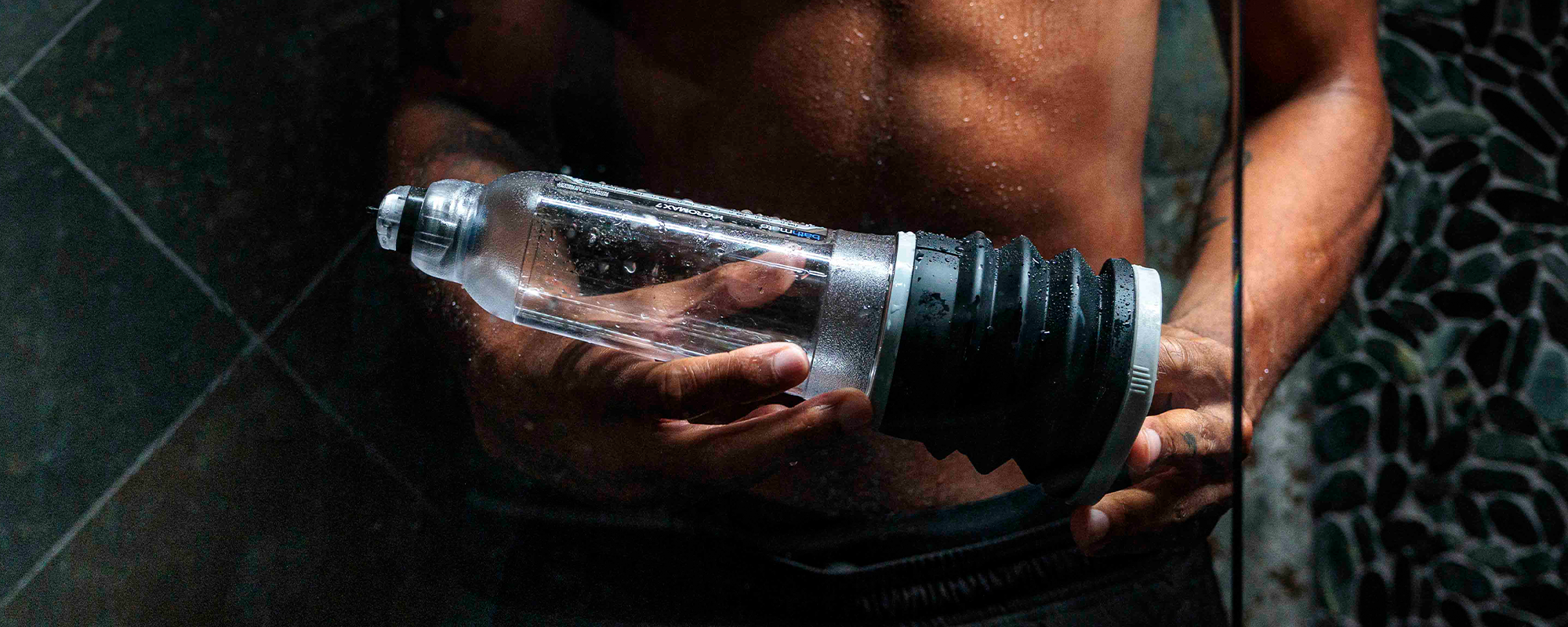
Eine Hydropumpe wie Bathmate wirkt, indem sie die Durchblutung der Schwellkörper sanft erhöht und so Sauerstoffversorgung, Elastizität und Reaktionsfähigkeit unterstützt. Bei regelmäßiger Anwendung wird sie Teil einer Routine, die die natürliche Funktion Ihres Körpers fördert.
Da sie sich unkompliziert in die warme Duschroutine integrieren lässt, fördert sie zugleich Durchblutung und Entspannung – praktisch und langfristig umsetzbar.
Auf das Feedback Ihres Körpers hören
Ihr Körper zeigt Ihnen, wo Aufmerksamkeit nötig ist:
- Mehr Bewegung
- Bessere Erholung
- Weniger Stress
- Stärkere Verbindung zum eigenen Körper
Wenn Sie frühzeitig reagieren, vermeiden Sie nicht nur Probleme – Sie bauen auch mehr Vertrauen in den eigenen Körper auf.
Dieses Vertrauen nimmt den Druck, stärkt die Zuversicht und lässt Erregung wieder natürlicher entstehen.
Denn Ziel ist es, Bedingungen zu schaffen, unter denen Ihr Körper reagieren will – und weiß, wie.


Hakima Tantrika
Learn MoreHakima Tantrika is a sex educator, intimacy coach, and copywriter who contributes regularly to Bathmate’s blog. Trained in classical Tantra, she helps individuals cultivate deeper self-awareness, authentic connection, and embodied confidence. On Substack, she leads an engaged community where she shares insights on sexuality, relationships, and personal growth, blending education with honest storytelling. Through her clear, thoughtful approach and distinctive voice, Hakima brings depth and integrity to modern conversations about intimacy, pleasure, and self-understanding.
Aktie:
Kann Diabetes Ihre Erektionen beeinflussen? Was Männer wissen sollten
Warum Bluthochdruck das Halten einer Erektion erschweren kann