


Wenn sich im Intimbereich etwas nicht richtig anfühlt, kann das verunsichern. Bei der Varikozele handelt es sich um eine der Beschwerden, die viele Männer erleben, über die jedoch nur wenige offen sprechen. Sie betrifft die Venen im Hodensack und kann Unbehagen, Schmerzen und möglicherweise Fruchtbarkeitsprobleme verursachen. Viele Männer wissen jedoch kaum, was das eigentlich ist, warum es auftritt und welche Behandlungsmöglichkeiten es gibt. Wir erklären es Schritt für Schritt.
Was ist eine Varikozele?
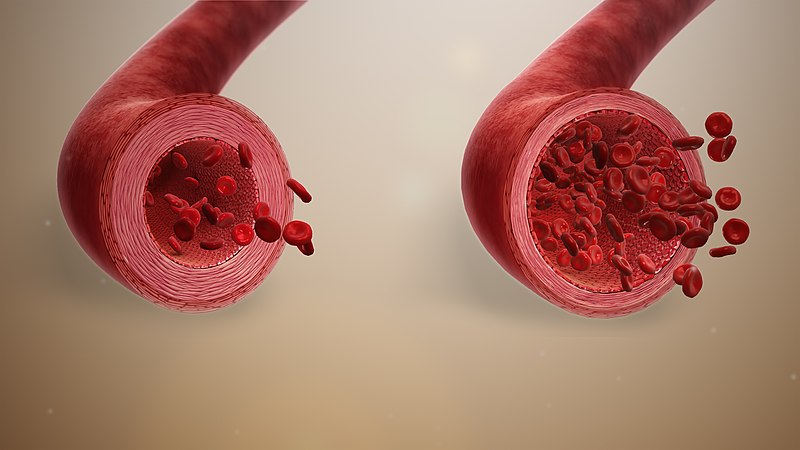
Eine Varikozele ist im Wesentlichen eine Ansammlung erweiterter Venen im Hodensack – ähnlich wie Krampfadern an den Beinen. Diese Venen weiten sich, wenn sich Blut darin staut, statt gleichmäßig zum Herzen zurückzufließen. Sie bilden sich typischerweise um den Hoden, meist auf der linken Seite.
Wie häufig ist eine Varikozele?
Sie sind nicht allein, wenn bei Ihnen eine Varikozele diagnostiziert wurde. Etwa 15 % der erwachsenen Männer sind betroffen. Interessanterweise steigt die Zahl auf etwa 35 % bei Männern, die von primärer Unfruchtbarkeit betroffen sind, was auf einen möglichen Zusammenhang zwischen Varikozele und Unfruchtbarkeit hindeutet. Die meisten Fälle entwickeln sich in der Pubertät, wobei viele Männer erst bei einer Routineuntersuchung oder beim Versuch, ein Kind zu zeugen, davon erfahren.
Wodurch entsteht eine Varikozele?
Hauptursache sind fehlerhafte Venenklappen im Samenstrang: Arbeiten diese Klappen nicht richtig, kann Blut zurückfließen, sich stauen und die Venen erweitern. Die linke Seite ist aufgrund anatomischer Unterschiede im venösen Abfluss der Hoden häufiger betroffen.
Wer ist besonders gefährdet?
Grundsätzlich kann es jeden Mann betreffen, am häufigsten entwickelt sich eine Varikozele jedoch während der Pubertät, wenn rasches Wachstum und hormonelle Veränderungen auftreten. Bei familiärer Vorbelastung kann das Risiko erhöht sein.
Varikozele-Symptome: Darauf sollten Sie achten
Viele Männer mit Varikozele haben gar keine Symptome, andere bemerken jedoch einige typische Anzeichen:
Häufige Anzeichen und Symptome
Die klassische Beschreibung lautet, dass sich die Venen wie ein „Sack voller Würmer“ anfühlen. (Entschuldigen Sie das Kopfkino.) Außerdem können auftreten:
- Dumpfer, schwerer Schmerz im Hodensack
- Schmerzen, die im Tagesverlauf oder nach körperlicher Aktivität zunehmen
- Unbehagen bei längerem Stehen
- Sichtbare Schwellung im Hodensack
- Empfindlichkeit gegenüber Wärme im betroffenen Bereich
Wie sich eine Varikozele im Zeitverlauf entwickelt
Ohne Behandlung verschwinden Varikozelen in der Regel nicht von selbst. Manche bleiben stabil und verursachen kaum Probleme, andere können sich allmählich verschlimmern. Nehmen die Beschwerden zu oder beeinträchtigen sie Ihre Lebensqualität, sollten Sie Ihre Behandlungsoptionen in Betracht ziehen.
Ist eine Varikozele gefährlich?
Die gute Nachricht: Die meisten Varikozelen sind für die allgemeine Gesundheit nicht unmittelbar gefährlich. Hauptsorge ist die mögliche Auswirkung auf die Fruchtbarkeit – die erhöhte Temperatur um den Hoden kann die Spermienproduktion und -qualität beeinflussen; einige Studien deuten zudem auf einen möglichen Zusammenhang mit niedrigeren Testosteronspiegeln hin, auch wenn die Datenlage hierzu nicht eindeutig ist.
Wann Sie ärztlichen Rat einholen sollten
Suchen Sie ärztlichen Rat, wenn Sie Schmerzen, Schwellungen oder eine tastbare Veränderung im Hodensack bemerken. Wenn Sie versuchen, ein Kind zu zeugen und es nicht gelingt, kann zudem eine Abklärung auf Varikozele sinnvoll sein – insbesondere, wenn Sie es seit über einem Jahr versuchen.
Wie wird eine Varikozele diagnostiziert?

Ärztinnen und Ärzte diagnostizieren Varikozelen in der Regel durch eine körperliche Untersuchung, häufig im Stehen. Das charakteristische „Sack-voller-Würmer“-Gefühl ist für geschulte Fachkräfte meist tastbar. Sie können außerdem regelmäßige Selbstuntersuchungen – ähnlich wie Checks auf Hodenkrebs – durchführen, um Veränderungen zu beobachten.
Besteht nach der Untersuchung Unsicherheit, kann eine Ultraschalluntersuchung empfohlen werden. Dieser schmerzfreie Test kann die Diagnose bestätigen und andere Ursachen mit ähnlichen Symptomen ausschließen.
Varikozele-Behandlung: Welche Optionen gibt es?
Die Entscheidung für eine Behandlung hängt in der Regel von Ihren Symptomen, einem möglichen Kinderwunsch und Ihren persönlichen Präferenzen ab. Bei milden, symptomlosen Fällen kann ein „Abwarten und Beobachten“ angemessen sein. Unterstützende Maßnahmen wie das Tragen eng anliegender Unterwäsche, Kältekompressen und rezeptfreie Schmerzmittel können Beschwerden lindern. Und wenn Sie feststellen, dass Ihre Libido nachgelassen hat (was normal ist, wenn unten etwas ungewohnt erscheint), sind wir bei Bathmate Ihre vertrauenswürdige Marke für Selbstvertrauen und Ergebnisse. Unsere Penispumpen können dabei helfen, wieder in Gang zu kommen (im wahrsten Sinne des Wortes) und zugleich Ihr Selbstvertrauen im Schlafzimmer zu stärken.
Fazit
Eine Varikozele ist häufig und zwar mitunter unangenehm, lässt sich mit der richtigen Betreuung und Behandlung jedoch gut managen. Wenn Sie den Verdacht haben, betroffen zu sein, sprechen Sie mit einer medizinischen Fachkraft – besonders, wenn Sie in Zukunft eine Familie planen.





Share:
Führt eine Varikozele zu Unfruchtbarkeit?
Erektile Dysfunktion in der Beziehung: So gehen Sie damit um